Cork vs. Cow: The Real Cost of Leather, Compared
Excerpt:
You love a good leather bag — but you also love the planet. So why does it feel so hard to choose? This is your honest, side-by-side guide to cork vs. cow leather, without the guilt trips or greenwashing.
We’ve All Been There
You’re scrolling late at night. You spot the bag. Sleek, timeless, buttery soft. But then comes the gut check: Is this leather? Cue the internal spiral — Is it ethical? Is it worth it? What’s even the alternative?
If you’ve ever felt that tug-of-war between your taste and your values, you’re not alone. Sustainability doesn’t always come with easy answers — but some are clearer than others.
Enter: Cork leather. A naturally vegan, biodegradable material that’s redefining what luxury looks like — and doing it without harming a single animal or tree.
Let’s break it down. No judgment. Just the facts.
1. Where It Comes From: Forest or Feedlot?
🐄 Cow Leather
- Made from the skin of cows, often a byproduct of the meat industry.
- Tied to factory farming, methane emissions, and deforestation — especially in the Amazon.
- The environmental footprint begins before the cow is even born.
🌳 Cork Leather
- Harvested from the bark of cork oak trees in Portugal.
- The tree isn’t cut down — it regenerates bark every 9 years.
- Each cork tree can live over 200 years and absorbs carbon as it grows.
The vibe: Cow leather takes life. Cork leather gives it.
2. Environmental Impact: Who’s Really Greener?
Let’s talk receipts — the kind the planet keeps:
| Factor | Cow Leather | Cork Leather |
|---|---|---|
| CO₂ Emissions | Very High (esp. from livestock & tanning) | Low (cork trees store carbon) |
| Water Consumption | Up to 17,000 liters per bag | Minimal |
| Chemicals Used | Toxic chromium & heavy metals | None – cork is naturally antimicrobial |
| End of Life | Often ends in landfill | 100% biodegradable |
ICYMI: Vegan leather ≠ sustainable. Many are made from plastic (PU or PVC), which may be animal-free but far from planet-friendly. Cork doesn’t just talk the talk — it grows it.
3. The Ethics: Let’s Get Real
Even if you’re not vegetarian, there’s something unsettling about fashion being tied to slaughter. Many “leather byproducts” are sourced from animals bred solely for industry — often in inhumane conditions.
Meanwhile, cork leather:
- Requires no animal harm
- Supports centuries-old artisan communities in Portugal
- Keeps forests alive — cork oak landscapes are biodiversity hotspots
Bottom line: If your values lean even slightly toward conscious living, cork is an obvious win.
4. Style & Substance: Does Cork Leather Look Good?
We get it. If cork leather didn’t pass the style test, we wouldn’t be having this conversation. But surprise — it does. And beautifully so.
✨ Texture
Cork leather has a natural, marbled grain that feels both earthy and modern. It can be soft and matte or polished and smooth — some even mimic pebbled leather.
💧 Function
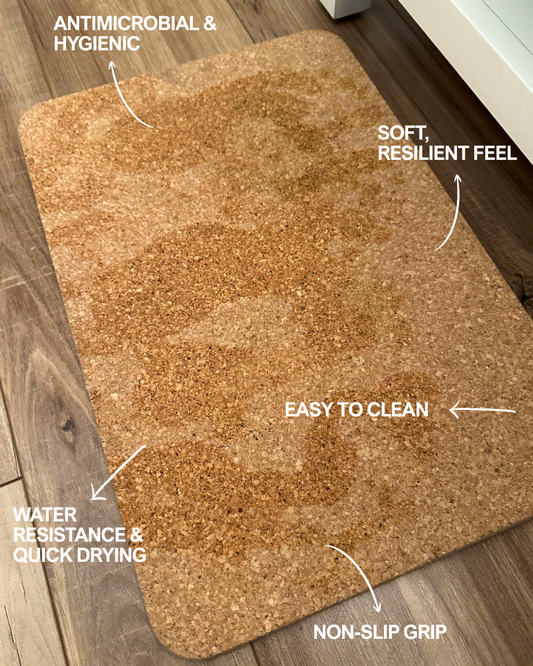
- Water-resistant
- Lightweight yet durable
- Stain-repellent (yes, even your oat milk latte mishaps)
- Naturally hypoallergenic
🎒 Where You’ve Seen It
- Sleek minimalist backpacks
- Unisex sneakers
- Sustainable wallets and cardholders
- Wonena’s curated picks →
Think of it as the Scandi-chic cousin of leather. Still timeless, just with better karma.
5. Cost: What’s the Real Price You’re Paying?
Cork leather used to be niche — but thanks to brands like those on Wonena, it’s now refreshingly accessible.
While cow leather often costs more upfront (especially luxury), the real cost lies in:
- Environmental damage
- Animal suffering
- Tanning and processing pollutants
Cork is a one-time investment with long-term returns — on your closet and your conscience.
6. So... Which One Should You Choose?
If you’re still hesitating, here’s a gentle reframe:
The question isn’t “What’s the most luxurious material?”
It’s: “What kind of luxury do I believe in?”
Cow leather has the legacy.
Cork leather has the future.
And now — you don’t have to compromise on either.
Ready to Try Cork?
At Wonena, we curate cork leather pieces that are as fashionable as they are functional. Ethically made, beautifully crafted, and future-friendly.
- 🎒 Explore our cork collection →
- 🌿 Follow @wonena.world for conscious style inspo
- 🛍️ Every piece plants a seed — literally or metaphorically
Final Thought:
You don’t have to be perfect to shop better. You just have to start asking better questions. And now that you’ve read this… you’re already doing it.