The phrase “natural fibers” has become shorthand for better choices in clothing. It appears on labels, product descriptions, marketing pages, and search results as a signal of quality, comfort, or lower impact.
But the term itself explains very little.
Natural fibers are not a guarantee of better outcomes. They are a category of materials with specific structural behaviors, constraints, and trade-offs. In some contexts, they outperform synthetic alternatives. In others, they do not.
What matters is not the label alone. It is understanding how these materials behave across the lifecycle of a garment: from sourcing to processing, from daily wear to disposal.
If you are looking for definitions, classifications, and a fuller breakdown of fiber types, you can use WONENA’s reference page here: Natural Fibers Guide.
This article focuses on something different: how to think about natural fibers in real clothing decisions.
The Problem With How Natural Fibers Are Usually Explained
Most articles about natural fibers follow the same structure. They define the term, list examples, highlight benefits, and compare them to synthetic fabrics.
That structure is useful as a reference, but it often creates an oversimplified narrative:
Natural equals breathable, biodegradable, and better. Synthetic equals plastic, harmful, and worse.
The reality is more technical. A fiber’s impact is not determined by origin alone. It is shaped by how it is grown, harvested, processed, finished, worn, washed, repaired, and eventually discarded.
A cotton dress that is rarely worn is not automatically a better choice than a blended garment used for years. A “natural-based” textile that requires intensive chemical processing is not the same as a minimally processed plant fiber. A synthetic blend may be unnecessary in one garment but functionally important in another.
This is why material literacy matters. The goal is not to memorize fiber names. The goal is to understand what the material is doing.
Natural vs Synthetic Is the Wrong First Question
The first question should not be, “Is this natural or synthetic?”
The better question is: “What is this garment expected to do?”
A lightweight summer dress, a structured blazer, a pair of leggings, a winter sweater, and a swimsuit do not need the same material logic. Each one asks the fabric to perform differently.
Natural fibers tend to perform well when airflow, moisture absorption, and comfort against the skin matter. Synthetic fibers tend to perform well when stretch, shape recovery, abrasion resistance, or technical performance matter.
This does not make one category universally superior. It means the material needs to match the use case.
Comfort Is Not the Same as Performance
Natural fibers are often praised for comfort, especially in warm weather or long wear. That is valid, but comfort is only one kind of performance.
For example, a breathable cotton or linen garment may feel better on the skin during a humid day. But if a garment needs to stretch repeatedly, recover its shape, dry quickly, or resist friction, a purely natural fiber may not be enough.
This is where many shoppers get misled. They see “100% natural” and assume it is automatically the higher-quality choice. Sometimes it is. Sometimes it simply means the garment will wrinkle more, stretch less, or require more careful maintenance.
Where Natural Fibers Actually Deliver Value
Natural fibers deliver value when their physical properties support the way the garment will be used.
1. They Can Improve Long-Wear Comfort
Many natural fibers absorb moisture and allow airflow more effectively than common synthetic fabrics. This can make a visible difference in pieces worn for many hours, especially close to the skin.
This is why natural fibers are often useful in everyday categories: dresses, shirts, light trousers, sleepwear, and warm-weather layers. The benefit is not just that the fabric “breathes.” It is that the garment can feel more stable across changing body temperature, humidity, and movement.
2. They Often Age Differently
Natural fibers tend to change with wear. Some soften. Some relax. Some develop texture. Some show creasing as part of their character rather than as a defect.
This matters because longevity is not only about resisting damage. It is also about whether a garment remains desirable as it ages.
A material that becomes more comfortable over time may stay in rotation longer. A material that looks “imperfect” after one wear may be abandoned quickly, even if the fiber itself is durable.
3. They Have Different End-of-Life Behavior
Many natural fibers can biodegrade under the right conditions, especially when they are not heavily treated, coated, or blended with synthetic fibers.
That does not mean every natural-fiber garment disappears harmlessly. Dyes, finishes, trims, elastic components, and blends all affect end-of-life behavior.
Still, the distinction is important. Synthetic fibers can persist in the environment for long periods, while natural fibers generally have a different material pathway after disposal.
Where Natural Fibers Fall Short
A serious conversation about natural fibers has to include their limitations. Otherwise, the topic becomes marketing, not education.
1. They Do Not Always Offer Stretch or Recovery
Most natural fibers do not stretch and return to shape the way elastane or engineered synthetics do.
This matters in fitted clothing, activewear, swimwear, and garments that need repeated movement recovery. Without some form of stretch or thoughtful construction, a natural-fiber garment may feel restrictive or lose its shape.
2. They Can Require More Care
Natural fibers often need more attention in washing, drying, and storage. Some shrink. Some wrinkle. Some need reshaping after washing. Some animal fibers require careful handling to avoid felting or distortion.
This does not make them impractical. It means the buyer needs to understand the maintenance requirement before purchasing.
3. Their Impact Depends on Farming and Processing
Natural does not automatically mean low-impact.
A fiber may come from a renewable source but still require significant water, land, energy, or chemical inputs. The actual footprint depends on where and how it is produced.
This is why claims like “eco-friendly fabric” are not useful unless they explain the basis of the claim. Is the fiber organic? Certified? Responsibly sourced? Mechanically processed? Low-impact dyed? Traceable?
Without that context, the word “natural” is too broad to carry the full sustainability argument.
The Role of Blends: Compromise or Strategy?
Blends are often treated as a downgrade from pure natural fibers. That is too simplistic.
A blend can be a cost-cutting shortcut, but it can also be a functional decision. Fibers are combined to change the way a garment behaves.
A small percentage of stretch fiber can improve movement. A synthetic component can help shape retention. A natural-synthetic blend can reduce wrinkling or increase durability in high-friction areas.
The important question is not whether the garment is blended. The important question is why the blend exists.
If the blend improves the garment’s usability and helps it stay in rotation longer, it may serve a purpose. If the blend exists only to make production cheaper while weakening end-of-life options, that is a different issue.
The “100% Natural” Myth
One of the biggest misconceptions in material conversations is that 100% natural automatically means better.
That belief creates three problems.
First, it ignores function. Some garments need elasticity, technical resistance, or structural stability that natural fibers do not always provide alone.
Second, it ignores production. A natural fiber can still be grown, dyed, or finished in ways that create environmental or social concerns.
Third, it ignores use. A garment’s real value depends on whether it is worn repeatedly, cared for properly, and kept in circulation.
A rarely worn “perfect” material is not automatically better than a more practical garment used consistently over time.
When Natural Fibers Make Sense
Natural fibers make the most sense when their strengths match the garment’s purpose.
They are especially relevant when a piece needs to feel comfortable for long wear, allow airflow, absorb moisture, or soften with time.
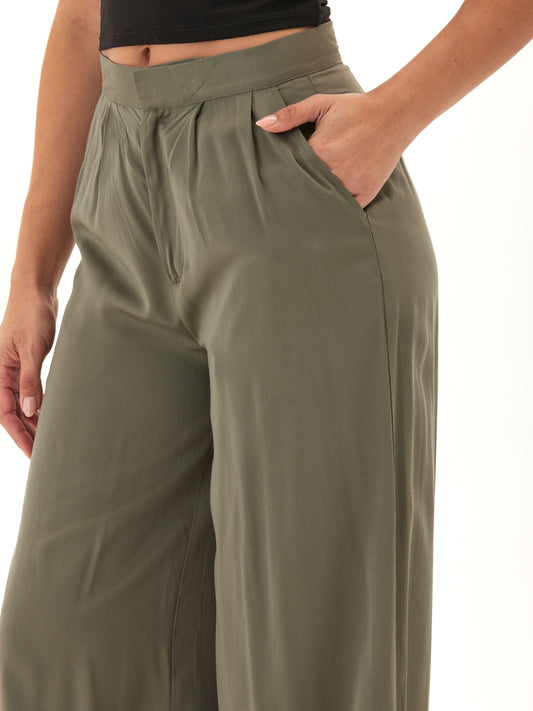
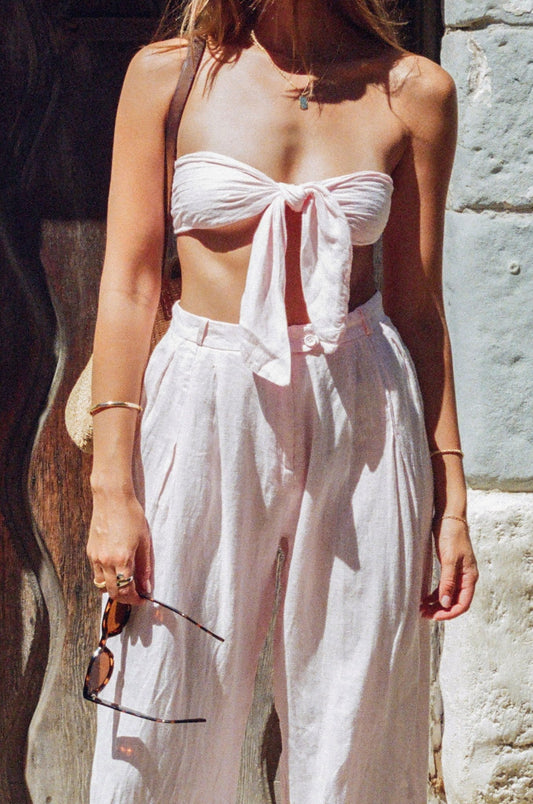
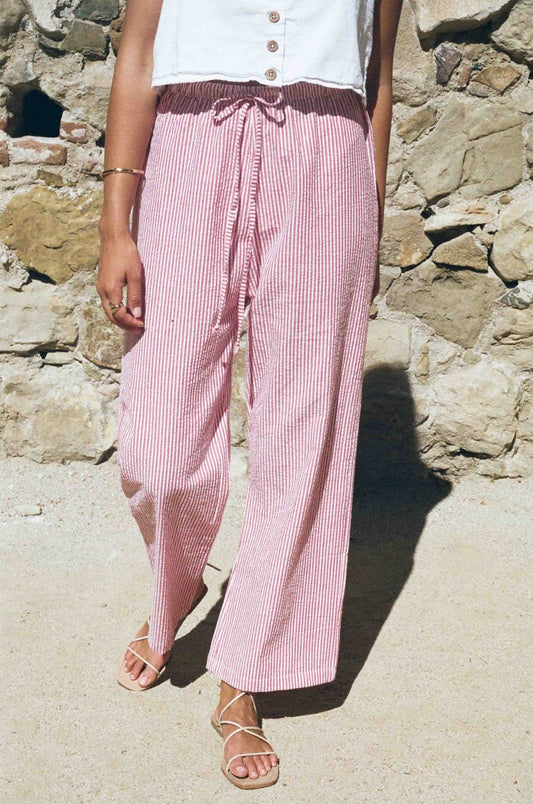
They are also useful in wardrobe categories where the garment is not expected to perform like sportswear or technical gear. Everyday dresses, breathable tops, relaxed trousers, shirting, sleepwear, knitwear, and certain home textiles are common examples.
In these categories, the material can directly affect whether the piece gets worn repeatedly.
For example, many shoppers look for natural fibers in dresses because dresses sit close to the body, often need to move comfortably through different temperatures, and are expected to feel easy without excessive layering. WONENA curates this category through pieces such as natural fiber dresses, where fabric choice supports wearability rather than serving as a label alone.
When Natural Fibers May Not Be Enough
Natural fibers may be less suitable when a garment requires high stretch, fast drying, intense abrasion resistance, or strong recovery after movement.
This does not mean the garment is bad. It means the material strategy needs to be honest.
For activewear, swimwear, compression pieces, rainwear, or performance outerwear, synthetic fibers may solve real functional problems. The issue is not that synthetics exist. The issue is overusing them where they are not needed, or treating synthetic-heavy garments as disposable.
A better material conversation makes room for both function and consequence.
How to Read Natural Fiber Claims More Carefully
When a brand highlights natural fibers, the next step is to look for specificity.
A stronger claim explains what the fiber is, how much of it is used, whether it is certified, and what processing or sourcing standard supports the statement.
A weaker claim relies on broad language without evidence.
For example, “made with natural fibers” is incomplete if it does not explain the fiber content. A garment could contain a small amount of cotton and still use that phrase. “100% linen,” “GOTS-certified organic cotton,” or “OEKO-TEX tested fabric” gives the reader more information.
The more specific the claim, the easier it is to evaluate.
Check our products made with safe fabrics.
What This Means for Conscious Fashion
Natural fibers matter because they push the conversation beyond trend and into material reality.
They remind us that clothing is not just silhouette, color, or styling. It is agriculture, chemistry, labor, performance, maintenance, and waste.
But they should not be used as a shortcut for trust. Trust comes from specificity.
That is why WONENA’s approach to materials is not about claiming that every natural fiber is automatically superior. It is about helping shoppers understand what different materials can and cannot do, then choose accordingly.
The Shift: From Material Labels to Material Literacy
The more useful goal is not to buy only natural fibers. The goal is to become more literate about materials.
Material literacy means asking better questions:
- What is the main fiber content?
- Why was this material chosen for this garment?
- Does the garment need stretch, structure, breathability, or warmth?
- Is the material claim specific or vague?
- Will this piece realistically stay in use?
These questions prevent overcorrection. They also prevent marketing language from doing the thinking for you.
Conclusion
Natural fibers are not a magic category. They are materials with strengths, weaknesses, and specific use cases.
They can offer breathability, comfort, aging potential, and different end-of-life behavior. They can also require more care, depend on resource-heavy production systems, and fall short in garments that need technical performance.
The better decision is not always “choose natural.” The better decision is to understand what the material is being asked to do.
That shift—from label recognition to material literacy—is where conscious fashion becomes more practical, more honest, and more useful.