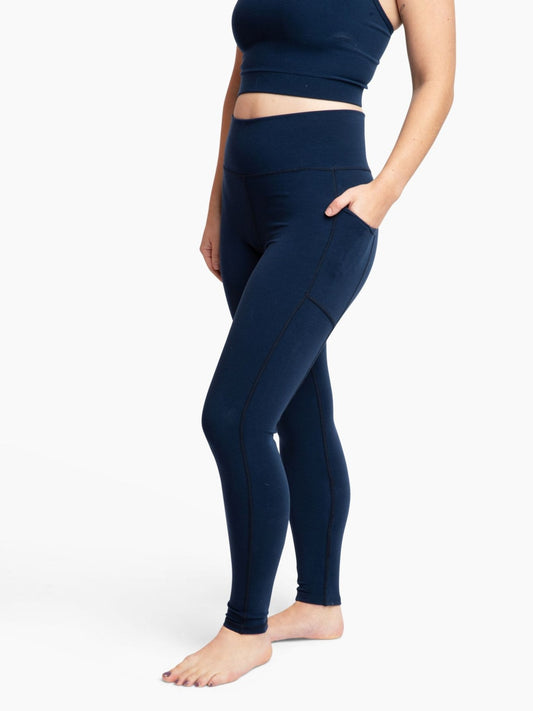
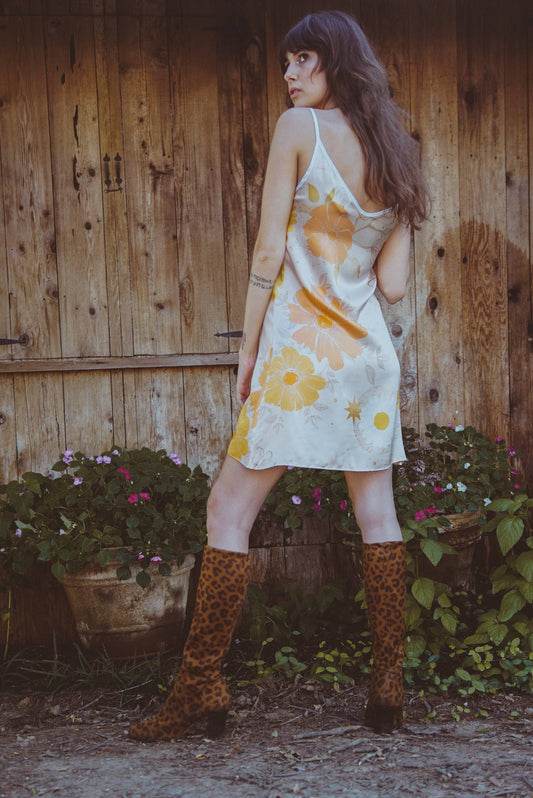
Skin irritation is often treated as a product problem—creams, treatments, routines. But in many cases, the issue sits much closer: the fabric in constant contact with your body.
Clothing creates a microclimate. It traps heat, holds moisture, applies pressure, and interacts with the skin for hours. For sensitive skin, allergies, or conditions like eczema or contact dermatitis, this interaction matters more than most people realize.
The conversation around “natural vs synthetic fabrics” is often oversimplified. Natural is labeled as good. Synthetic is labeled as bad. The reality is more nuanced—and more useful.
This guide breaks down how different fabrics behave, what actually affects skin comfort, and how to make decisions that reduce irritation without overcorrecting.
What Sensitive Skin Actually Reacts To
Heat and Moisture
When fabric traps heat and sweat, the skin becomes more vulnerable to irritation, breakouts, and bacterial imbalance. This is one of the most common triggers, especially in warm climates or during long wear.
Friction and Pressure
Tight weaves, rough textures, or poorly constructed seams create repeated friction. This often shows up in areas like underarms, waistlines, and behind the knees.
Chemical Exposure
Dyes, finishes, and fabric treatments can trigger reactions—even in otherwise soft materials. The issue is not always the fiber itself, but what has been added to it.
Hidden Components
Elastic, latex, synthetic linings, and trims are often overlooked. For people with sensitivities, these can be more problematic than the main fabric.
This shifts the question from “Is this natural?” to “How does this garment behave on my skin over time?”
Natural Fabrics: What They Do Well (And Where They Don’t)
Natural fibers include cotton, linen, silk, wool, and hemp. They are often recommended for sensitive skin, but their performance depends on how they are used.
Breathability and Airflow
Most natural fibers allow better air circulation than synthetic alternatives. This helps reduce heat buildup and creates a more stable environment for the skin.
Moisture Behavior
Cotton absorbs moisture. Linen dries quickly. Wool can regulate temperature and wick moisture away from the skin. Each behaves differently depending on climate and use.
Lower Friction (When Untreated)
Soft, minimally processed natural fibers tend to create less irritation during extended wear.
Where Natural Fabrics Fall Short
- Some wool can feel abrasive on sensitive skin
- Stiff cotton or linen can still cause friction
- Chemical dyes and finishes may trigger reactions
- Poor construction can override material benefits
Fabric type alone is not enough. Construction and treatment matter equally.
Synthetic Fabrics: Why They Cause Issues (And When They Don’t)
Synthetic fabrics include polyester, nylon, acrylic, and elastane. They are widely used because they are durable, flexible, and cost-efficient.
Heat Retention
Synthetics tend to trap heat, creating a warmer and more humid environment against the skin. This can increase irritation and discomfort.
Moisture Trapping
Unlike many natural fibers, synthetics often hold moisture close to the skin rather than allowing it to evaporate efficiently.
Surface Feel Over Time
Some synthetic fabrics feel smooth initially but can become uncomfortable during long wear, especially with movement or sweating.
Where Synthetics Still Work
- Performance wear often requires stretch (elastane blends)
- Outer layers benefit from durability and structure
- Blends can improve fit and longevity
The issue is not presence—it’s proportion and placement.
The Real Problem: Blends, Finishes, and Construction
Most garments are not purely natural or synthetic. They are combinations.
Blended Fabrics
A garment labeled “cotton” may still include synthetic fibers that change how it performs.
Linings
A natural outer fabric paired with a synthetic lining can trap heat and cancel out breathability.
Elastic and Latex
For people with sensitivities, elastic waistbands or trims can be a primary source of irritation.
Seams and Structure
Even the best fabric can become uncomfortable if seams are rough or poorly placed.
How to Choose Fabrics for Sensitive Skin (Without Overcomplicating It)
Prioritize Contact Layers
Focus on garments that sit directly on your skin: dresses, tops, underlayers, and sleepwear. These have the most impact.
Look Beyond the Label
Check the full construction, including lining and stretch components—not just the main fabric.
Test for Duration
A fabric that feels fine for a few minutes may not work for a full day. Comfort over time is the real measure.
Adjust by Context
- Heat → prioritize breathable fabrics like linen or lightweight cotton
- Long wear → prioritize softness and low friction
- Movement → allow some flexibility in blends
How This Connects to What You Wear Daily
Understanding fabrics only matters if it improves real decisions. For example, the difference between a breathable cotton dress and a synthetic blend often determines whether it becomes a repeat piece or gets avoided.
See how this applies in practice: Why Natural Fiber Dresses Are Better for Your Skin and the Planet.
For a deeper breakdown of fiber types, visit the Natural Fibers Guide.
Sensitive skin is not solved by switching to “natural” fabrics alone. It’s solved by understanding how clothing interacts with the body over time.
Natural fibers often create better conditions—less heat, less friction, more breathability—but they are not a guarantee. Synthetic fabrics are not inherently harmful, but they can amplify the conditions that cause irritation.
The most effective approach is practical: reduce friction, manage heat, and minimize unnecessary exposure. When clothing stops working against your skin, comfort, repetition, and long-term use become easier to achieve.