Fashion in 2025 has traded flashy monograms for understated grace. What once belonged to the “old money” aesthetic—quiet luxury, logo-free elegance, and muted sophistication—has now entered the mainstream. But this year, there’s a twist: sustainability is no longer optional, it’s essential. Brands and shoppers alike are discovering that true refinement lies in conscious choice, not excess. At WONENA, we see this trend as more than a style—it’s a mindset.
The Rise of Quiet Luxury
Quiet luxury is not a new idea. Think cashmere coats without labels, perfectly tailored trousers in neutral tones, or a well-cut silk blouse that needs no introduction. Unlike maximalist trends, quiet luxury thrives on subtlety. The less it tries to prove, the more powerful it becomes. In 2025, this understated aesthetic has evolved beyond class signifiers—it has become synonymous with mindfulness, intentional living, and sustainability.
“True luxury is invisible—it lives in how a garment feels, lasts, and respects the world it comes from.”
From Michael Kors’s earthy minimalism to Brunello Cucinelli’s ethical cashmere, the runway is shifting toward quietness. Reuters recently noted how consumers are gravitating toward timelessness as a counter-response to disposable fast fashion. The question is: how do sustainable brands fit into this world of hushed elegance?
Old Money Meets Conscious Living
The “old money” aesthetic—characterized by quality over quantity—aligns seamlessly with sustainable values. For generations, families invested in fewer, better pieces: heirloom jewelry, handwoven coats, and tailored blazers. Today, that ethos translates into purchasing fewer items made with better fabrics, produced by skilled artisans. Sustainability and quiet luxury are not parallel ideas; they are intertwined.
- Timeless Wardrobes: Minimalist silhouettes transcend trends, reducing the need to constantly replace clothing.
- Natural Fabrics: Linen, organic cotton, bamboo fiber, and recycled wool become the building blocks of modern quiet luxury.
- Craftsmanship as Status: Investing in artisan-made pieces signals cultural depth, not just wealth.
Sustainable Fabrics Defining the Look
The fabrics you choose are everything in quiet luxury. Imagine a fluid wrap skirt crafted from organic bamboo, or a crisp shirt in GOTS-certified cotton. These materials elevate basics into elegance while honoring the planet.
Linen & Organic Cotton
These breathable, plant-based textiles dominate sustainable quiet luxury wardrobes. Their natural texture adds depth without loud prints or embellishments.
Bamboo & Hemp
Known for durability and softness, bamboo and hemp provide the clean drape and understated shine perfect for minimalist tailoring.
Recycled Cashmere & Wool
Luxury doesn’t need to mean new. Recycled fibers give knitwear richness while extending the lifecycle of premium textiles.
The Psychology of Minimal Logos
In a world where fast fashion thrives on branding, quiet luxury whispers with restraint. A sustainably made trench coat needs no oversized emblem; its cut and feel are enough. This approach shifts focus from “who made it” to “how it was made.” Conscious consumers find value in transparency, not spectacle.
Styling Quiet Luxury the Sustainable Way
So, how do you achieve this aesthetic without compromising your eco-values? Here are practical steps to make your wardrobe both elegant and ethical:
- Start with Elevated Basics: Tailored trousers, a crisp button-down, a neutral midi skirt. Choose organic cotton or linen versions.
- Focus on Fit: The cut matters more than labels. Invest in tailoring; it’s the secret of old-money polish.
- Choose Muted Tones: Ivory, navy, camel, and charcoal anchor the quiet luxury palette, minimizing visual clutter.
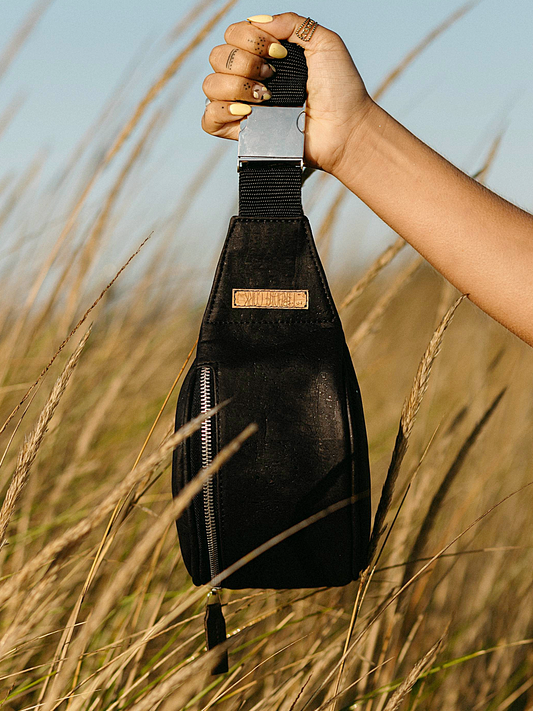
- Invest in Accessories: Minimalist jewelry in recycled metals, a cork-leather belt, or a bamboo fiber scarf can define your look without excess.
- Buy Fewer, Better: One organic silk blouse outlasts five polyester knock-offs. This is both sustainable and chic.
Case Study: From Runway to Reality
Consider how Michael Kors embraced earthy minimalism in recent collections—beige tones, classic tailoring, whisper-soft fabrics. When translated to sustainable fashion, this means a wrap dress in organic cotton voile, or trousers in recycled linen blends. Brands like Stella McCartney and smaller designers curated on WONENA are bringing that same elegance with an eco-conscious lens.
Cultural Resonance: Why Now?
The rise of quiet luxury in 2025 mirrors society’s appetite for stability and authenticity. After years of overconsumption, consumers crave fewer distractions and more meaning. Choosing sustainable quiet luxury is a way to signal values subtly—without greenwashing, without screaming logos, and without overbuying.
Challenges & Opportunities
Of course, quiet luxury is not without critique. Critics argue it can romanticize privilege. But when reframed through sustainability, it becomes accessible: a mindset of valuing quality, care, and longevity rather than constant novelty. The opportunity is for conscious brands to redefine luxury as respect—for the garment, the maker, and the planet.
Building Your Own Quiet Luxury Capsule
Creating a capsule wardrobe rooted in quiet luxury is easier than you think. Start small, with these essential categories:
- The Neutral Coat: A recycled wool trench in camel or navy.
- The Tailored Trousers: Hemp or organic cotton in a straight-leg cut.
- The Silk Blouse: Look for organic silk or TENCEL™ blends.
- The Minimalist Dress: A linen shift or bamboo wrap dress.
- The Everyday Shoe: Recycled leather loafers or cork-sole sandals.
Conclusion: Elegance with Integrity
Quiet luxury in 2025 isn’t just about looking sophisticated—it’s about aligning your wardrobe with your values. Minimalism, sustainability, and timeless elegance are no longer separate conversations. They merge in this moment of understated refinement. At WONENA, we believe true elegance whispers: it respects artisanship, honors the planet, and invests in pieces that last.