
Descubra los sombreros artesanales de lana de alpaca y hoja de palma de Andeana, confeccionados a mano por mujeres quechuas y quichés. Diseñados con intención y tejidos con alma, cada sombrero es un homenaje a la herencia, la sostenibilidad y el empoderamiento.
-


Sombrero de paja con hoja de palma blanca occidental
Precio habitual $155Precio habitualPrecio unitario por -


Sombrero occidental gris carbón
Precio habitual $288Precio habitualPrecio unitario por -


Sombrero Fedora de mezclilla
Precio habitual $112Precio habitualPrecio unitario por -


Sombrero Floppy Sample Sale Marrón
Precio habitual $50Precio habitualPrecio unitario por -

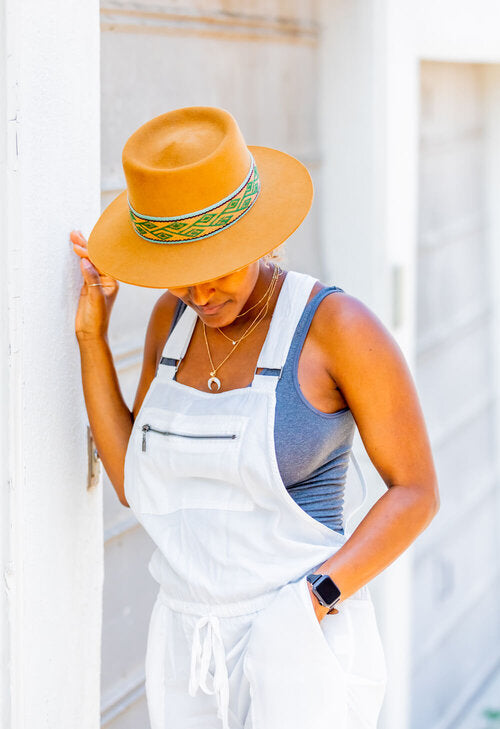
Sombrero de pescador color camello
Precio habitual $288Precio habitualPrecio unitario por$0Precio de oferta $288 -


Sombrero español verde cazador
Precio habitual $288Precio habitualPrecio unitario por -

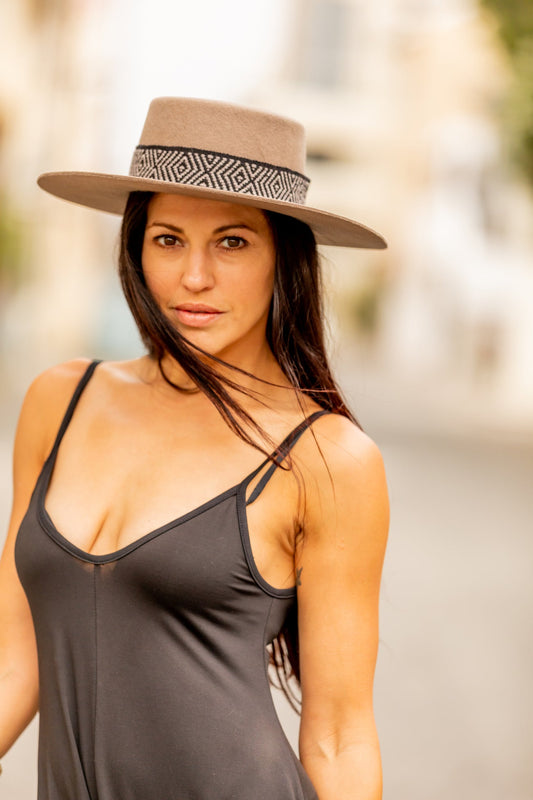
Sombrero español beige
Precio habitual $288Precio habitualPrecio unitario por -


Sombrero de pescador negro
Precio habitual $288Precio habitualPrecio unitario por$0Precio de oferta $288 -

Sombrero Fedora Alto de Muestra Verde
Precio habitual $50Precio habitualPrecio unitario por -

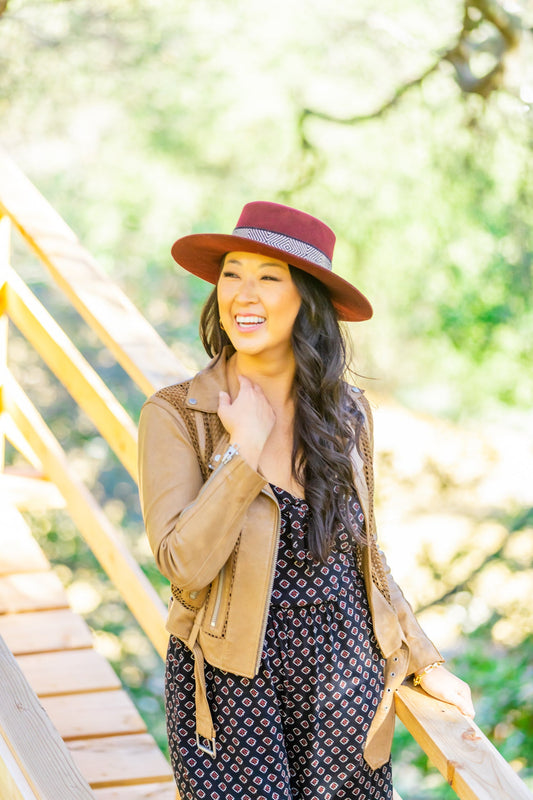
Sombrero español granate
Precio habitual $288Precio habitualPrecio unitario por -

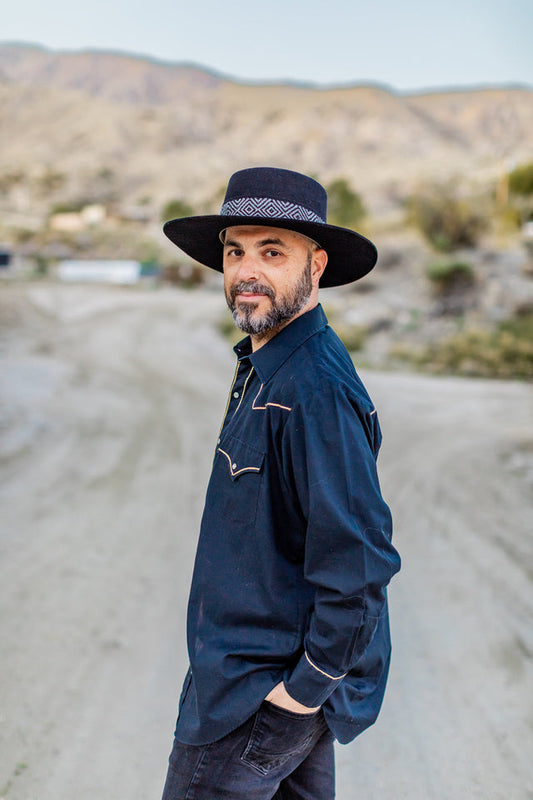
Sombrero español negro
Precio habitual $288Precio habitualPrecio unitario por -


Sombrero español rojo
Precio habitual $288Precio habitualPrecio unitario por -

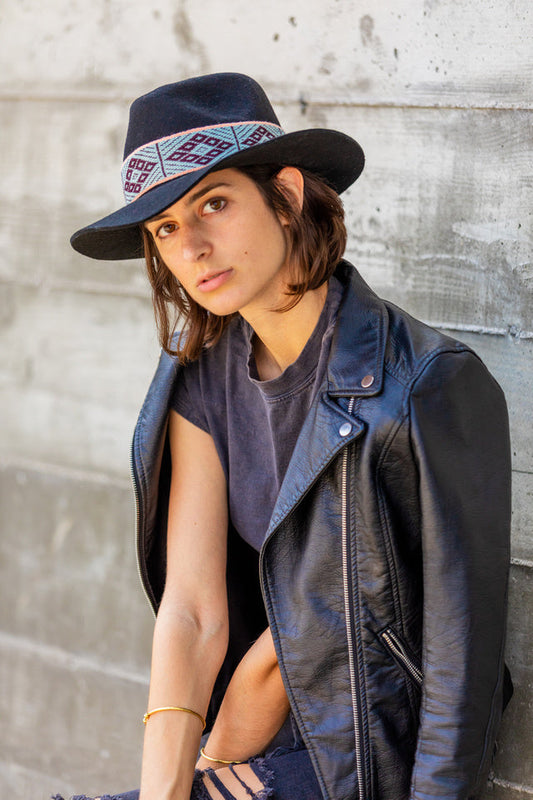
Sombrero Fedora Negro
Precio habitual $112Precio habitualPrecio unitario por -


Sombrero Fedora color arena
Precio habitual $112Precio habitualPrecio unitario por -


Sombrero de paja con forma de cubo y hoja de palma blanca
Precio habitual $155Precio habitualPrecio unitario por -

 Agotado
Sombrero de paja de hoja de palma blanca español
Precio habitual $155Precio habitualPrecio unitario por -


Sombrero Fedora de paja con hojas de palma blancas
Precio habitual $155Precio habitualPrecio unitario por -

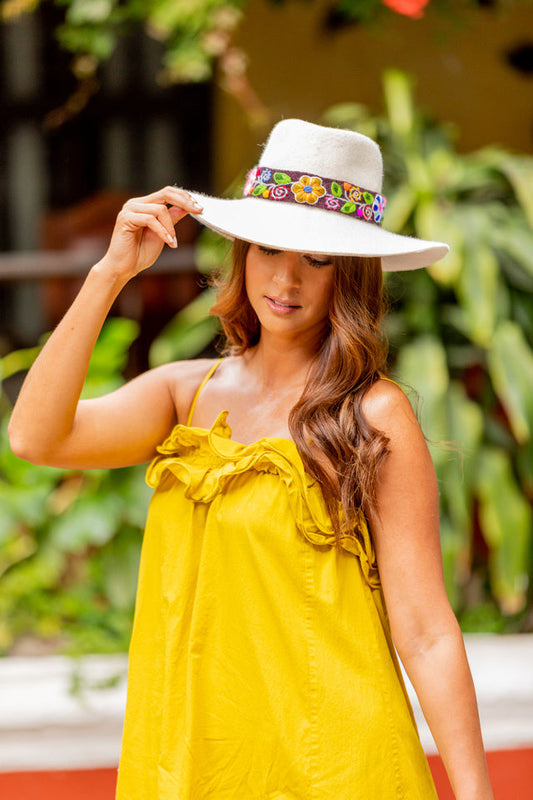
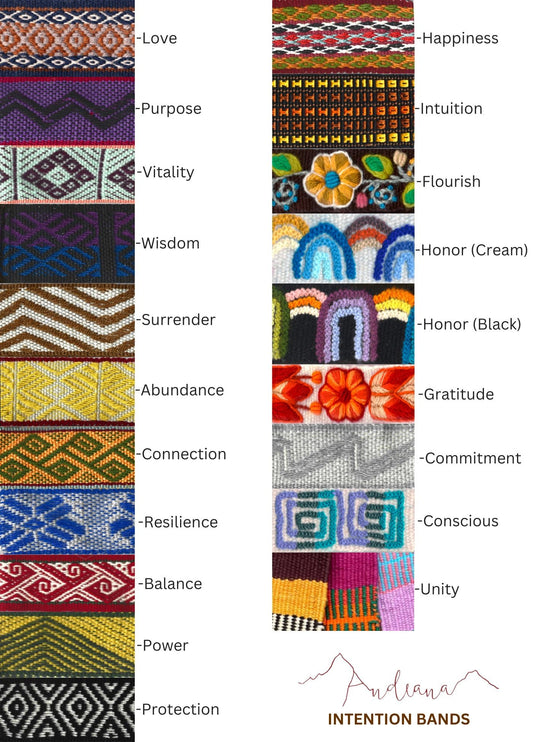
Banda para sombrero con intención de florecer
Precio habitual $40Precio habitualPrecio unitario por -

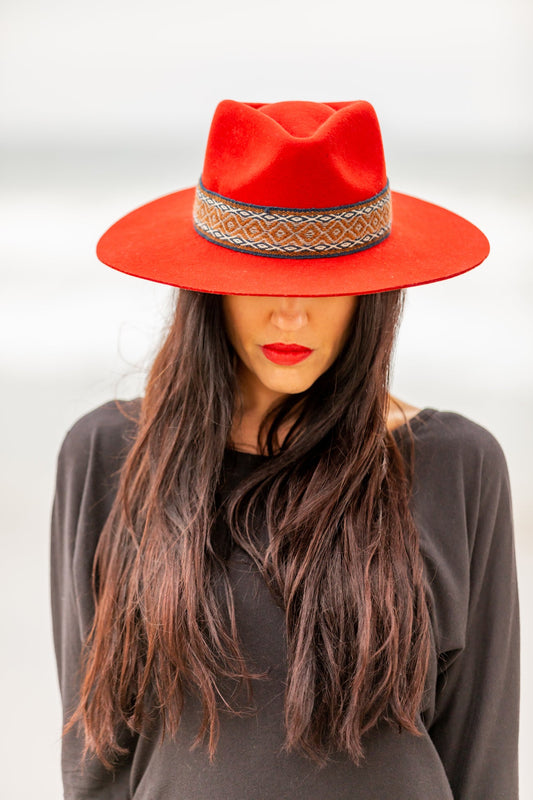
Sombrero occidental rojo
Precio habitual $288Precio habitualPrecio unitario por -

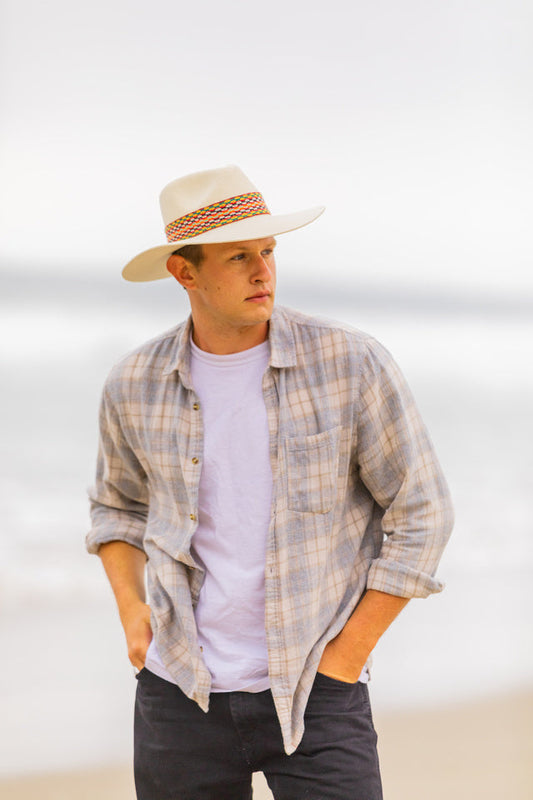
Banda para el sombrero con intención de felicidad
Precio habitual $40Precio habitualPrecio unitario por -


Banda para sombrero con intención de compromiso
Precio habitual $40Precio habitualPrecio unitario por -

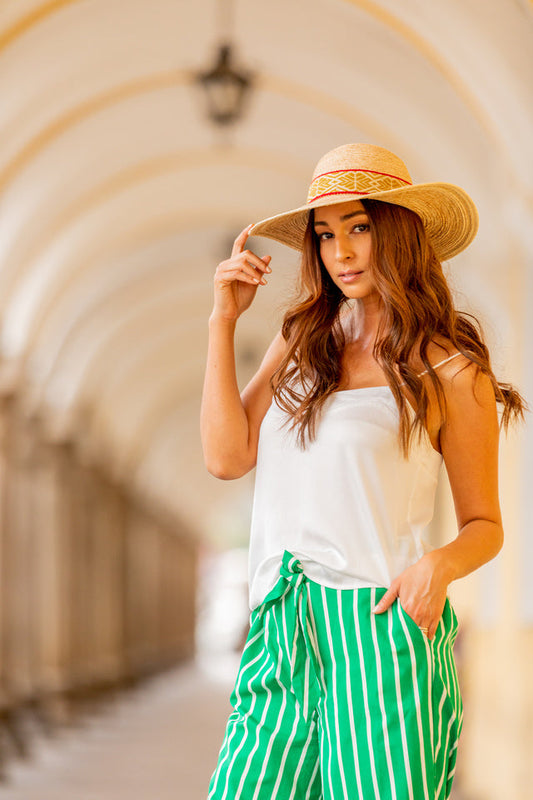
Banda para sombrero con intención de abundancia
Precio habitual $40Precio habitualPrecio unitario por -


Banda para el sombrero con intención de resiliencia
Precio habitual $40Precio habitualPrecio unitario por -


Banda para sombrero con intención de protección
Precio habitual $40Precio habitualPrecio unitario por -


Sombrero de paja con hojas de palma Fedora
Precio habitual $155Precio habitualPrecio unitario por -

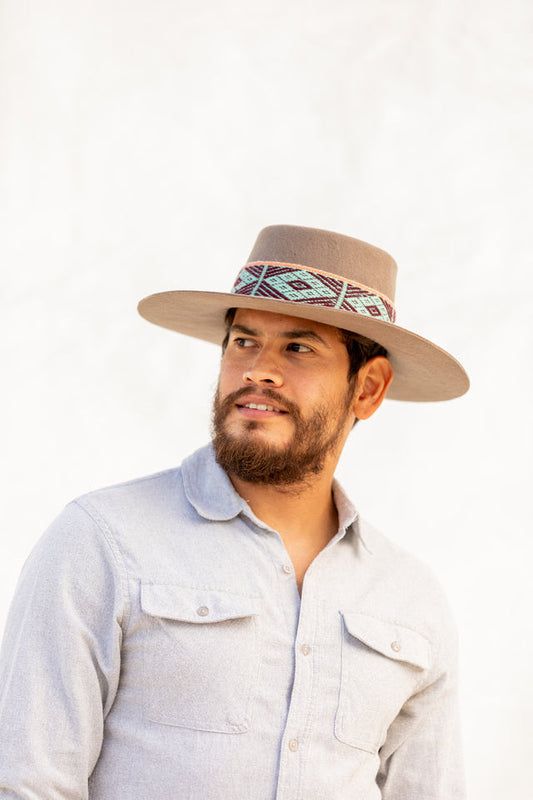
Banda para sombrero con intención de vitalidad
Precio habitual $40Precio habitualPrecio unitario por -


Banda para sombrero con intención de amor
Precio habitual $40Precio habitualPrecio unitario por -

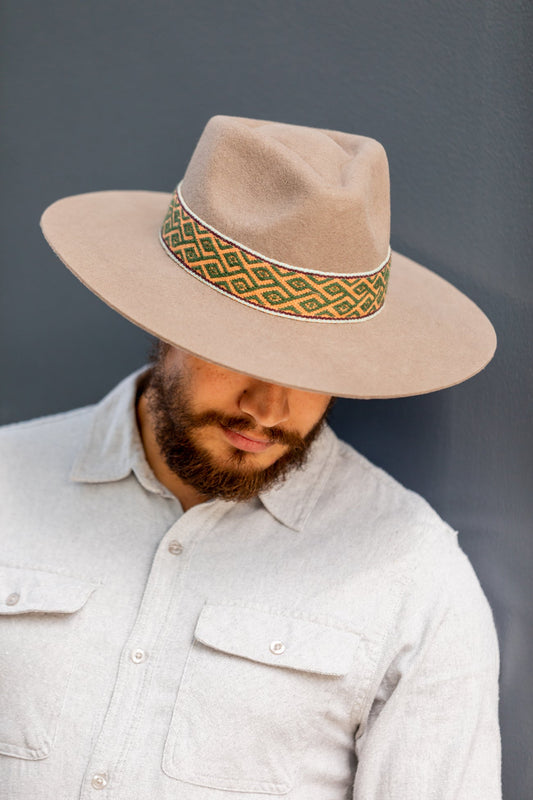
Sombrero occidental beige (destacado)
Precio habitual $288Precio habitualPrecio unitario por -


Sombrero occidental marrón
Precio habitual $288Precio habitualPrecio unitario por -

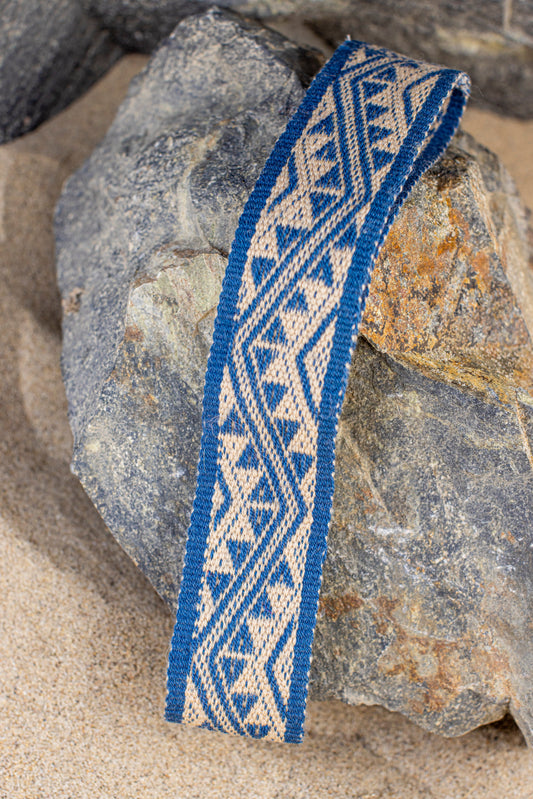
Banda para sombrero con intención de paz y fluidez
Precio habitual $40Precio habitualPrecio unitario por


- 100 fibras animales de bajo impacto
- Exceptional Quality, 100% Biodegradable y Diseño atemporal
- Small-Batched Production
Sombreros Andinos
- Women Owned
- Handmade y Made in South America
- Community Welfare, Ancestral Crafts y Fair Trade

Por qué seleccionamos Artesanal Ethically Made Hats de Andeana hats
Celebre el arte de la artesanía con nuestra colección artesanal, que incluye piezas hechas a mano que honran las técnicas tradicionales y apoyan a los artesanos expertos de todo el mundo.

Hats Made with Biodegradable Animal Fibers
Al usar 100 fibras animales de bajo impacto , Andeana hats utiliza un ≥50% animal-derived materials :

-

Piezas elaboradas con técnicas tradicionales transmitidas de generación en generación. Esta colección...
-

Nuestra colección Artesanal está elaborada con una mentalidad Eco-Friendly, considerando siempre valores...
-

Apoye la sostenibilidad cultural y celebre la rica riqueza del patrimonio indígena....
-

Ropa moldeada por una visión artística: prendas de diseño inspiradas en la...


Contenido desplegable
What’s the difference between alpaca wool hats and palm leaf hats?
How do I know my hat was ethically made?

-

Valoramos el progreso honesto
Descubre nuestros valores -

Apoyamos a las marcas pequeñas
Explorar marcas -

Hacemos que cada elección cuente
Leer más -

Plantamos un árbol por pedido
Ver cómo funciona -

Creamos con intención
Nuestra historia


