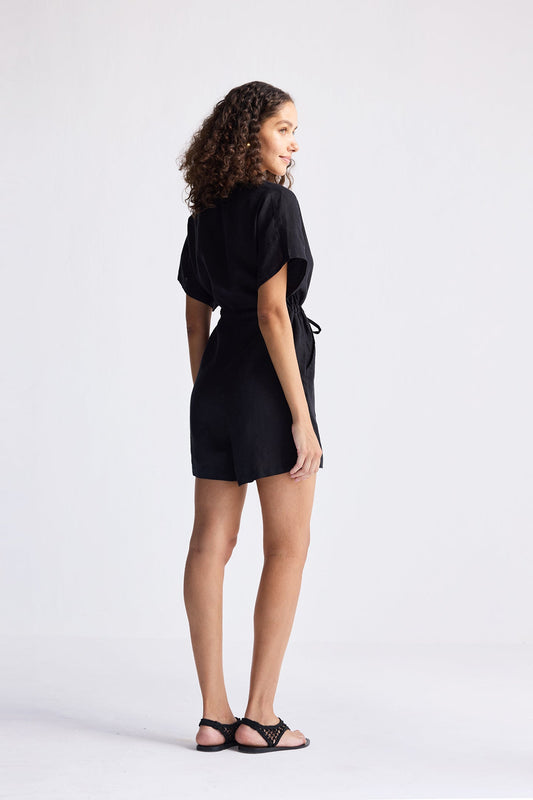
There are moments when fashion suddenly feels different—when materials not only dress the body, but also honor the earth beneath our feet. That moment is now. From hemp to plant-based leathers like cactus leather and Piñatex®, a new generation of textiles is redefining luxury: beauty that lasts, transparent processes, and value chains with human faces.
1) Hemp: the fiber that came back to stay
What was once considered rough is now a synonym of refined functionality. Hemp grows quickly, requires less water than conventional cotton, and strengthens fabrics. Blended with organic cotton or lyocell, it delivers soft, breathable drape suitable for warm climates and transitional seasons alike.
Why choose hemp
- Lower water demand in cultivation and high natural resistance.
- Versatility: from lightweight shirts to textured denim blends.
- Thermal comfort: cool in summer, stable in shoulder seasons.
In a capsule wardrobe, a hemp-blend shirt is that piece that “always works”: breathable, shape-retaining, and better with every wash.
2) Cactus leather: tactile luxury with water savings
Known as cactus leather, this textile is derived from nopal plants grown without intensive irrigation. It’s processed into sheets with a surprisingly leather-like hand feel and performs well in bags, wallets, and footwear details. The draw: contemporary aesthetics with a low-impact logic.
Key advantages
- Water savings versus many traditional tanning processes.
- Stable grain and color for everyday wear.
- Cruelty-free and aligned with vegan values.
The result: accessories with a premium texture, without compromising your principles. Perfect for elevating minimalist looks.
3) Piñatex®: when waste becomes design
Piñatex® uses discarded pineapple leaves after harvest. The cellulose is processed into a resilient mesh which, after finishing, becomes a leather-like surface. The bonus? It brings value to agricultural byproducts and can help reduce open-field burning or landfill waste.
What makes it unique
- Waste valorization: true upcycling at the source.
- Lightweight and durable for bags, wallets, and sneakers.
- Distinctive aesthetics: a recognizable grain that photographs beautifully.
If you want conversation-starting pieces with purpose, Piñatex delivers—every product begins its story in the fields.
Do new materials mean new care?
Hemp
- Wash cold, gentle cycle.
- Air-dry in the shade; prolonged direct sun can stiffen fibers.
- Steam-iron to soften the weave when needed.
Cactus & Piñatex®
- Wipe with a damp cloth and mild soap.
- Avoid solvents and direct heat.
- Store stuffed to maintain shape over time.
Caring for these materials extends their life and preserves their appearance. Sustainability also happens at home.
How to style them (without losing yourself)
- Start with a hero: a cactus leather bag or Piñatex sneakers to elevate basics.
- Layer textures: hemp shirt + recycled denim + cork-sole sandals.
- Neutral + accent: a linen/hemp base and one statement plant-based accessory.
Conscious shopping checklist
- Check the fiber: look for “hemp,” “cactus leather,” “Piñatex,” or blends with organic/recycled content.
- Ask for traceability: country of manufacture, chemical policy, water management.
- Assess durability: seams, hardware, reinforcements, aftercare service.
- Prefer timeless silhouettes: styles that survive seasons and multiply wears.
FAQs
Does hemp feel itchy or rough?
Modern blends with organic cotton or lyocell achieve soft, fluid hand-feels—nothing like the old myths.
Do plant-based leathers peel?
Like any material, performance depends on manufacturing quality and care. Current formulas are stable and suitable for daily use.
Is Piñatex® waterproof?
It withstands day-to-day use; avoid prolonged saturation and let it air-dry in the shade if wet.
Build a wardrobe with aesthetics and ethics
Explore sustainable materials, filter by values, and choose pieces that feel good on your skin—and on the planet.