The Truth Behind the “Recycled” Tag
Recycled polyester is everywhere—from leggings and gymwear to soft eco tees and recycled plastic shoes. It sounds like the perfect solution: take plastic waste, turn it into fabric, and keep it in circulation. But is it really that simple?
At WONENA, we love innovation—but we also love nuance. Let’s unpack when recycled polyester supports a sustainable wardrobe, and when it’s more marketing than meaningful change.
What Recycled Polyester Actually Is
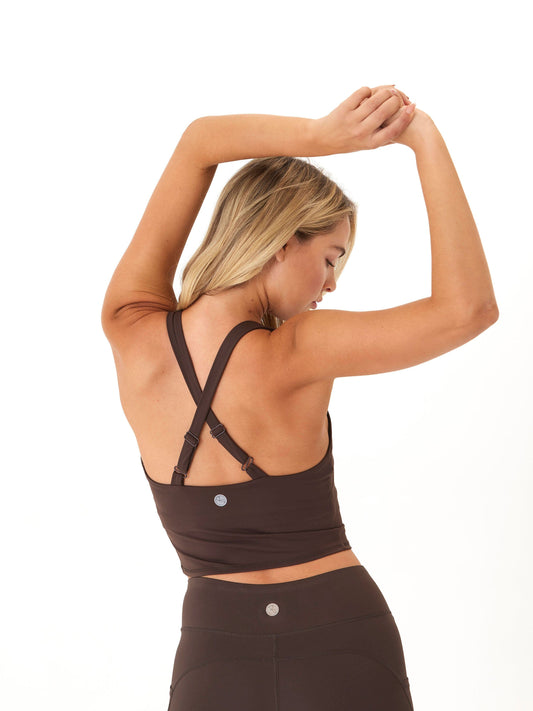
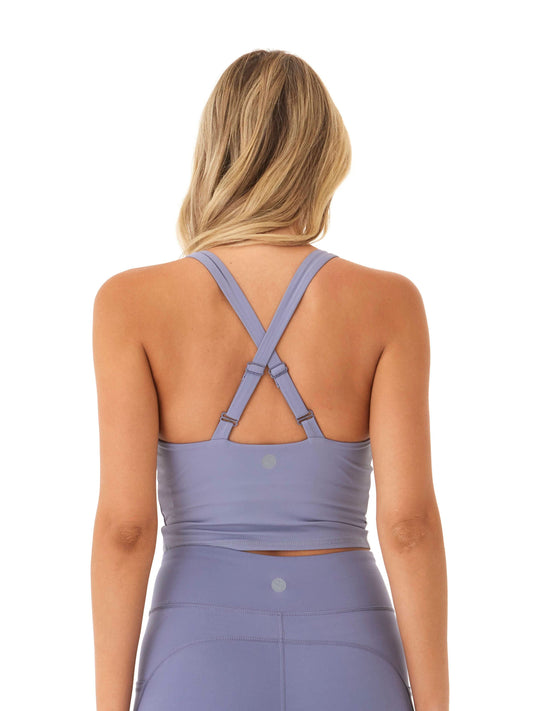
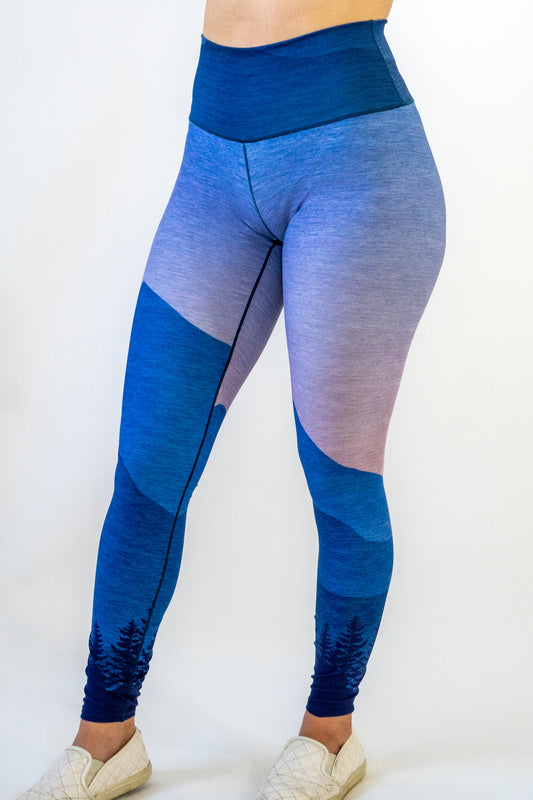
Recycled polyester (often labeled rPET) is typically made by melting down existing plastic—usually PET bottles or sometimes textile waste—and spinning it into new fibers. You’ll see it in recycled polyester leggings, recycled material gymwear, and recycled polyester shoes.
The main upside: it reduces our dependence on virgin fossil-fuel-based polyester and diverts some plastic from landfills. For performance wear and outerwear, that can be a smart step.
The Hidden Complications
The sustainability story becomes more complex when we look at the full picture:
- Microplastics: Whether virgin or recycled, polyester sheds microfibers when washed, entering waterways and ecosystems.
- Energy Use: Some recycling processes are energy-intensive; impact varies depending on the technology and energy source.
- Downcycling: Turning bottles into clothing can be a dead end: once blended with elastane or other fibers, the fabric is hard to recycle again.
So while recycled polyester can be “better than virgin,” it isn’t a free pass. It’s most responsible when used in pieces you genuinely plan to wear often, like sustainable performance wear or outerwear, not disposable trend pieces.
Where Recycled Polyester Makes Sense
In the Wonena Capsule Framework, we reserve recycled polyester for silhouettes that need performance—think sustainable activewear, eco friendly swimwear, or low impact sportswear. These are garments that require stretch, quick-drying properties, or durability that natural fibers alone can’t always provide.
For example:
- Recycled material sneakers with sturdy uppers and recycled soles.
- Recycled plastic sportswear sets designed for high-intensity movement.
- Recycled shoes built to last, not just to hit a trend cycle.
The key is to choose these pieces intentionally and keep them in your rotation for years.
Where Natural Fibers Do It Better
For everyday basics—organic cotton tees, natural fiber tops, eco friendly blouses, and relaxed cotton clothing— plant-based fibers usually win. They’re breathable, soft, and often easier to care for without releasing as many microplastics.
When you’re choosing between a polyester top and an organic cotton t shirt women style for daily wear, the cotton option will generally have a lower long-term impact, especially if it’s high quality and worn often.
How to Shop Recycled Pieces Consciously
- Prioritize transparency: Look for brands that clearly state how much of the garment is recycled and where it comes from.
- Check blends: High elastane content makes items harder to recycle again—save it for pieces that truly need the stretch.
- Wash gently: Use cold water and a microfiber-catching wash bag to reduce shedding.
- Buy for the long term: Only choose recycled polyester in pieces you’ll wear repeatedly—like your favorite sustainable t shirts or go-to leggings.
WONENA’s Take on Recycled Polyester
At WONENA, we don’t believe in all-or-nothing. We curate recycled polyester pieces the way we curate sustainable dresses, vegan recycled footwear, or timeless tops: carefully, and only when they truly earn their place in your capsule.
You’ll see recycled material sneakers and recycled fitness apparel in our collections—but always alongside organic cotton basics, natural fiber dresses, and soft eco tees. Because true sustainability is about balance, honesty, and wearing what you own with intention.