Why Your Basket Material Matters More Than You Think
Baskets look simple, but they quietly tell a story about how you live. A woven piece in the corner of your living room can carry the same values as your favorite sustainable wardrobe essentials or eco friendly t shirts – or it can work against them. The difference often comes down to one thing: the fibers.
At WONENA, we see baskets as part of your conscious style capsule: objects that organize your life, soften your space, and echo the same care you bring to choosing sustainable fashion. Here’s how natural fiber and synthetic baskets compare when you zoom in on sustainability, durability, and everyday use.
Natural Fiber Baskets: Form, Function, and Roots
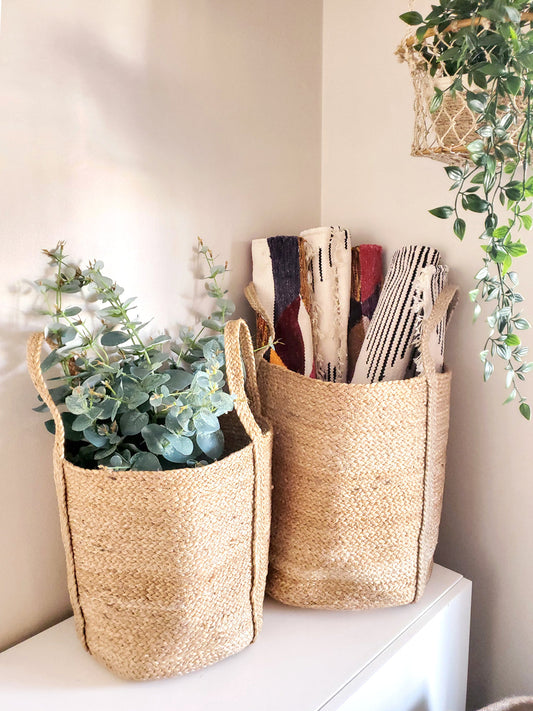
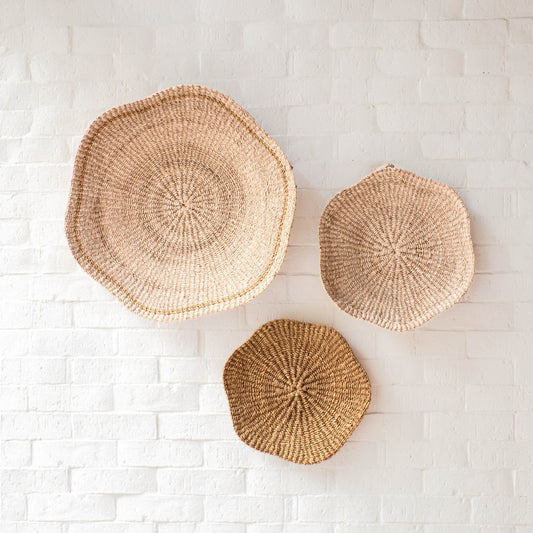
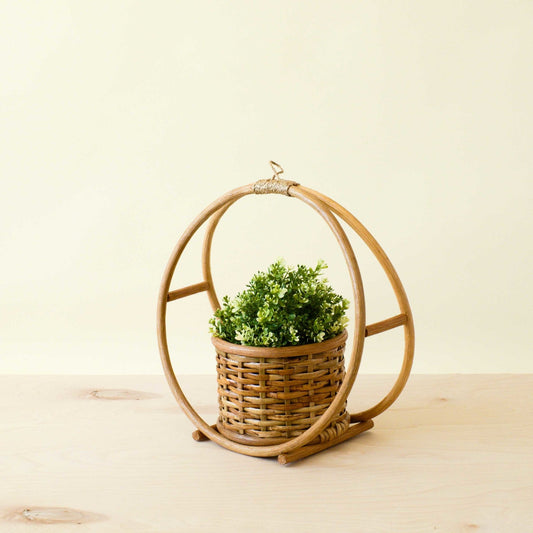
Natural fiber baskets are typically handwoven from materials like seagrass, rattan, jute, sisal, straw, or palm leaves. These fibers are plant-based and renewable, which immediately sets them closer to the values behind natural fiber dresses, linen dresses, and organic cotton basics.
Because these fibers come from nature, they can return to nature. When produced and dyed responsibly, natural baskets are biodegradable and leave a lighter trace on the planet than plastic-heavy designs. Many of the artisans behind our basket collections use low-impact dyes or natural pigments, the same mindset we look for in breathable tencel clothing or organic women's clothing.
The Texture of Authenticity
Natural fibers age beautifully. They pick up subtle patina from sunlight, wear, and time—adding character instead of looking “used up.” This makes them perfect for a conscious home where you want pieces to last, not rotate out with every trend.
In the Wonena Capsule Framework, natural fiber baskets sit at the intersection of Timeless Silhouette and Natural Feel. A simple rounded laundry basket, a structured lidded storage piece, or a low tray for your coffee table can all repeat across seasons without feeling dated.
Synthetic Baskets: Convenience with a Hidden Cost
Synthetic baskets are often made from plastic, polyester, or blended fibers. At first glance, they can mimic the look of handwoven pieces, and they’re usually lightweight, water-resistant, and budget-friendly. That’s the appeal.
The trade-off is in their footprint. Many synthetics are derived from fossil fuels. They shed microplastics over time—especially when used outdoors or cleaned frequently. It’s the same concern present in fast fashion polyester, whether it’s in low impact sportswear or recycled polyester leggings that haven’t been thoughtfully sourced.
When Synthetic Might Make Sense
There are moments when synthetics can serve a purpose: high-moisture zones like poolside storage, kids’ outdoor toys, or transitional spaces exposed to the elements. In these cases, look for options made from recycled materials, similar to recycled plastic shoes or recycled material sneakers – and commit to using them for as long as possible.
The Sustainability Breakdown
- Resource use: Natural fibers are typically renewable; synthetics rely on fossil fuels.
- End of life: Natural baskets can break down; synthetic versions often sit in landfills for decades.
- Craftsmanship: Natural fiber baskets are usually handwoven, supporting artisan livelihoods and echoing the values of fair trade clothing and slow fashion brands.
- Style longevity: Natural textures pair effortlessly with sustainable dresses, soft flowy clothing, and minimalist interiors.
How to Build a Basket Capsule for Your Home
Think of your baskets like a small, thoughtful collection of sustainable homewear for your space. You don’t need twenty options; you need a few that work hard and look beautiful doing it.
- The Everyday Catch-All: A medium open basket near the door for shoes, reusable bags, or conscious footwear.
- The Soft Storage Piece: A flexible, handwoven basket in the bedroom that can hold natural loungewear, linen tops for women, or extra blankets.
- The Sculptural Accent: A lidded piece that doubles as decor in the living room or bathroom.
By choosing fewer, better baskets made from authentic natural fibers, you’re extending your values beyond your closet. The result is a home that feels intentional – a quiet backdrop for your eco friendly clothing and everyday rituals.
WONENA’s Curatorial Eye
When we curate baskets for WONENA, we look beyond aesthetics. We ask: Who made this? Which fibers were used? How will it age in a real home that juggles kids, pets, and everyday life?
That’s the same lens we use when selecting sustainable clothing brands, vegan recycled footwear, or timeless slip dresses. Your home should hold the same level of care as the pieces you wear. Natural fiber baskets are a simple, beautiful way to start.