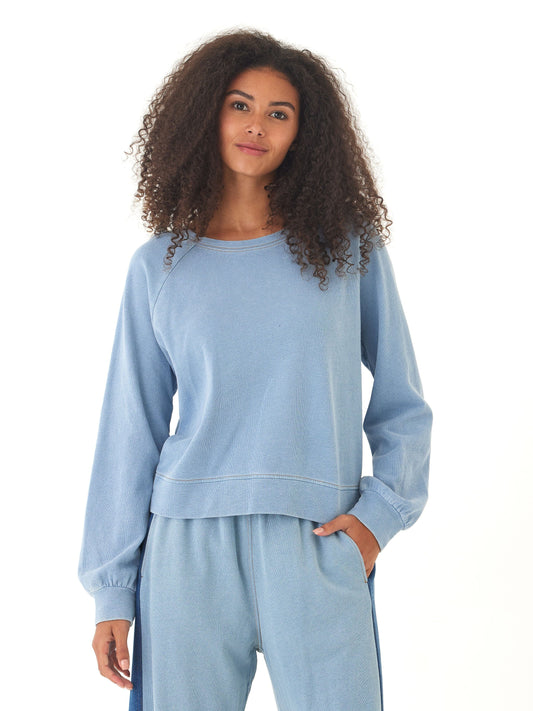
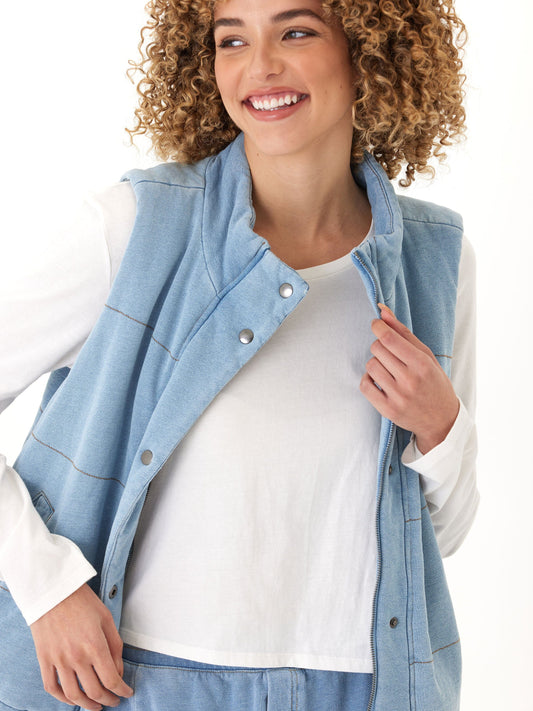
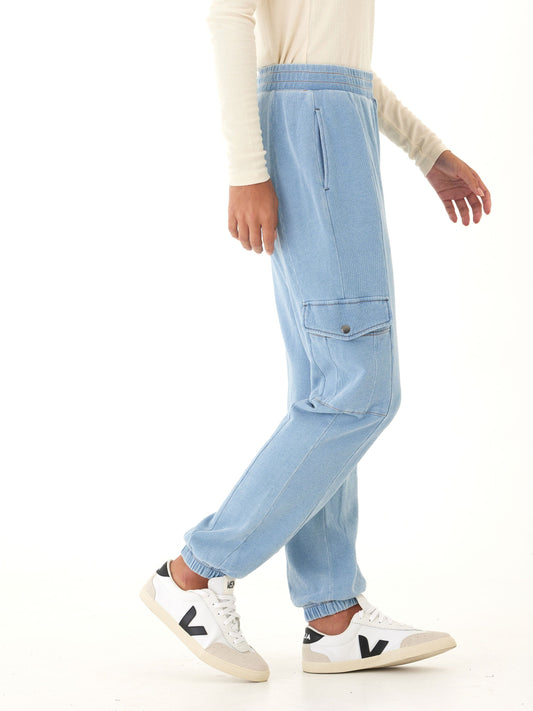
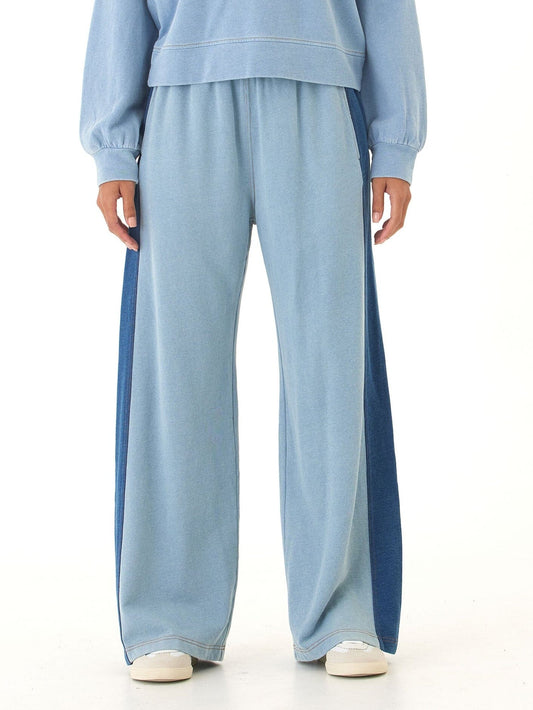
Sustainable Denim in America: From Cultural Icon to Climate Action
Denim has always been more than a fabric. It’s identity, rebellion, comfort, and culture woven into cotton. From miners in California to punks in New York, denim became the American uniform—a symbol of democracy in clothing. But denim’s story is also one of water, chemicals, and waste. In 2025, that story is being rewritten. Jeans are not just cultural icons; they are becoming instruments of climate action, thanks to innovation and consumer demand for sustainability.
Denim is America’s shared language—now being translated into sustainability.
The American story of denim
In the mid-1800s, denim began as tough workwear. Levi Strauss and Jacob Davis patented riveted pants for miners, designed to withstand the brutal realities of gold rush camps. By the 1950s, jeans moved from practicality to pop culture. Marlon Brando and James Dean turned them into symbols of youth rebellion. The 1970s gave us flares and counterculture flair; the 1990s, grunge and baggy ease. Every decade, denim reflected the mood of society.
Through all its transformations, one fact stayed constant: denim was democratic. Blue jeans were worn by farmhands and presidents, punks and professors. Few garments have crossed class and culture lines so seamlessly. But while denim’s image was one of rugged freedom, its production had a hidden cost.
The hidden cost of jeans
Traditional denim is resource-hungry. Cotton, the primary fiber, requires vast amounts of water and pesticides. Dyeing with indigo often involves toxic chemicals, while finishing processes—sandblasting, stone washing—put workers at risk and contaminate rivers. A single pair of jeans can use over 1,500 gallons of water, from cotton field to factory floor. Multiply that by the billions of pairs produced each year, and the scale of the issue becomes clear.
By the early 2010s, denim was under scrutiny. Consumers began asking tough questions: Where was my denim made? Who stitched it? How much water was wasted? What chemicals went into its faded finish? The answers weren’t flattering. But out of this reckoning, a sustainable denim movement was born.
Innovation reshaping denim
Today, denim makers are reengineering every stage of production. The focus is not just on style, but on fiber sourcing, dyeing, washing, and end-of-life solutions. Innovation is turning denim from polluter to pioneer.
Cleaner dyes & finishing
- Responsible indigo: Bio-based indigo and liquid dye systems reduce harmful effluents.
- Ozone washing: Vintage fades created with oxygen gas instead of chemicals.
- Laser finishing: Whiskers and worn-in patterns etched by light beams, replacing sandblasting.
- Closed-loop water: Factories recycle up to 95% of water, keeping rivers clean.
Better fibers
- Organic cotton: grown without synthetic pesticides, preserving soil and farmer health.
- Recycled cotton: reuses pre- and post-consumer waste, reducing demand for virgin fiber.
- Hemp blends: faster growing, less water-intensive, naturally durable.
- Lyocell/TENCEL™: cellulosic fibers made in solvent recovery systems, adding drape and softness.
Denim’s cultural hubs in America
Denim may have started in California, but today its cultural heartbeats are spread across the Americas:
- Los Angeles: the global hub of denim finishing, where artisan laundries pioneer low-impact washes.
- Mexico: home to agile factories producing for both global giants and local designers.
- Colombia & Guatemala: smaller-scale producers integrating traditional embroidery and visible mending into modern denim.
These hubs prove that denim’s story isn’t just American—it’s pan-American. Each community adds its touch, from precision laser tech to handmade details, all moving toward sustainability.
Why denim sustainability matters
Denim is not a niche garment. It’s the most widely worn textile after t-shirts. If denim goes sustainable, the ripple effect is enormous. Cleaner water in factories, safer conditions for workers, lower emissions, fewer pesticides in cotton fields—this is not just fashion reform, it’s environmental reform. Every sustainable jean is a signal that everyday clothes can change the climate equation.
How to choose sustainable jeans
As consumers, we hold power. The next time you shop for jeans, here’s how to filter through the noise:
- Check the fiber: organic, recycled, hemp, or lyocell blends.
- Ask about wash: laser and ozone are safer, cleaner methods.
- Look for transparency: does the brand share where the denim was made and how?
- Prefer timeless fits: straight, relaxed, or classic cuts you’ll wear for years.
- Think circular: buy from brands offering take-back or repair services.
Caring for denim sustainably
The sustainability of denim doesn’t end at checkout. How we wash, dry, and repair our jeans makes a huge difference:
- Wash cold and only when necessary.
- Air dry instead of using high-heat dryers.
- Repair small tears quickly—visible mending adds character.
- Rotate pairs to extend lifespan.
Styling denim consciously
Denim’s versatility is what makes it America’s uniform. Sustainable jeans are no exception. In 2025, here are three ways to style them with impact:
- American Essential: organic straight-leg jeans with a white hemp-cotton tee and recycled sneakers.
- Heritage Revival: recycled denim jacket layered over a plaid shirt and hemp trousers.
- Creative City: wide-leg lyocell denim paired with an oversized organic blazer.
Denim and circular fashion
Perhaps the most exciting development is circularity. Denim is now designed not just to last, but to live again. Brands are creating jeans with removable rivets and mono-fiber construction, making recycling easier. Resale markets and take-back programs ensure old jeans avoid landfill and reenter the fashion loop. Denim is becoming the fabric of a new system—designed with its afterlife in mind.
FAQs
Do sustainable jeans cost more?
Often yes, but cost-per-wear is much lower. A $120 pair that lasts ten years is cheaper than three $40 pairs that fall apart.
Are recycled jeans as durable as new ones?
Yes. Blends with organic cotton and hemp reinforce recycled fibers, offering durability comparable to virgin denim.
Which brands lead sustainable denim?
Examples include Levi’s Water<Less®, Stella McCartney, Patagonia, and smaller independents like Paneros Clothing—all adopting better fibers and finishing methods.
Is vintage denim more sustainable?
Absolutely. Secondhand denim avoids new resource use and often has the soft, broken-in comfort that makes jeans special.
From culture to climate action
Denim has always been the American story—rugged, rebellious, adaptable. Now, it’s rewriting itself as a climate story. By embracing recycled fibers, cleaner indigo, and circular design, jeans are proving that the most ordinary garment can carry extraordinary change.
Explore WONENA’s sustainable denim edit and discover jeans that don’t just fit your body, but also your values. Because when denim leads, the rest of fashion follows.