
Hilo, ropa, envoltorios para regalos y kits de manualidades elaborados por artesanos en la India, muchos de ellos con seda de saris recuperada y retales de tela, de una marca propiedad de mujeres fundada en 2008.
-

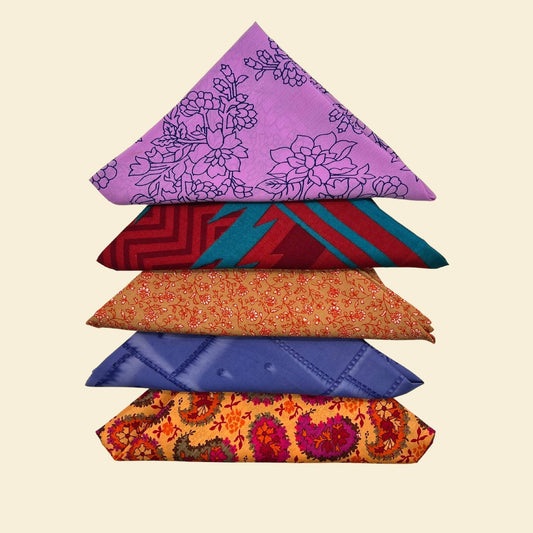 Oferta
Tela de envoltorio reutilizable Furoshiki
Precio habitual A partir de $6Precio habitualPrecio unitario por$10Precio de oferta A partir de $6Oferta -
 Oferta
Paquete de inicio de seda recuperada
Precio habitual A partir de $57Precio habitualPrecio unitario por$135Precio de oferta A partir de $57Oferta -

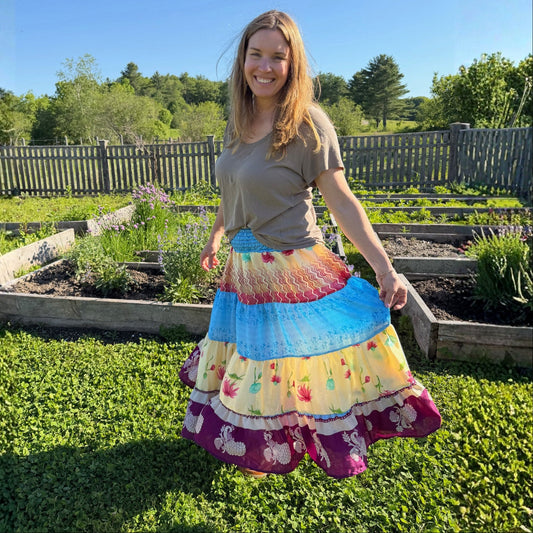
Edición limitada: Falda Fiesta Atardecer
Precio habitual $79Precio habitualPrecio unitario por$79Precio de oferta $79 -


Pantalones palazzo de pierna ancha Espíritu Libre
Precio habitual $64Precio habitualPrecio unitario por$64Precio de oferta $64 -

 Oferta
Cuaderno artesanal encuadernado en tela de sari
Precio habitual $25Precio habitualPrecio unitario por$30Precio de oferta $25Oferta -

Envoltorio de regalos ecológico
Precio habitual $7Precio habitualPrecio unitario por -

Patrón de ganchillo para adorno de pepinillo navideño – Divertido adorno navideño DIY | Darn Good Yarn
Precio habitual $7Precio habitualPrecio unitario por$7Precio de oferta $7 -

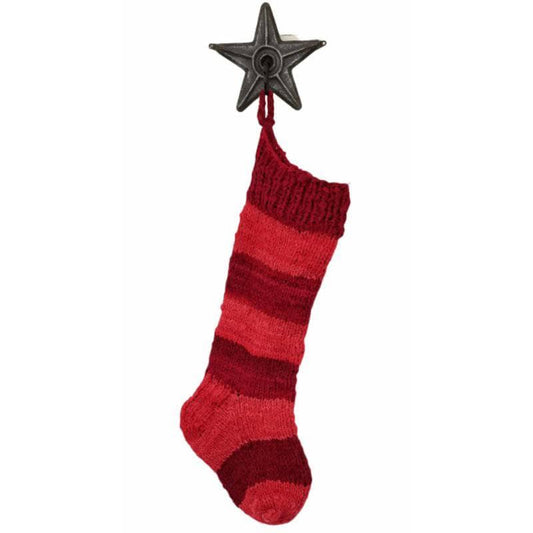
Kit de punto y ganchillo para calcetín navideño a rayas
Precio habitual $45Precio habitualPrecio unitario por


Planet
- Reclaimed Materials
Darn Good Hilo
People
- Women Owned
- Handmade
- Trabajo ético, Community Welfare y Ancestral Crafts

Yarn, Clothing & Gifts Made with Reclaimed Materials
Al usar Reclaimed Materials , Darn good yarn utiliza un ≥ 50% reclaimed or recovered material content :

Contenido desplegable
-

Valoramos el progreso honesto
Descubre nuestros valores -

Apoyamos a las marcas pequeñas
Explorar marcas -

Hacemos que cada elección cuente
Leer más -

Plantamos un árbol por pedido
Ver cómo funciona -

Creamos con intención
Nuestra historia


