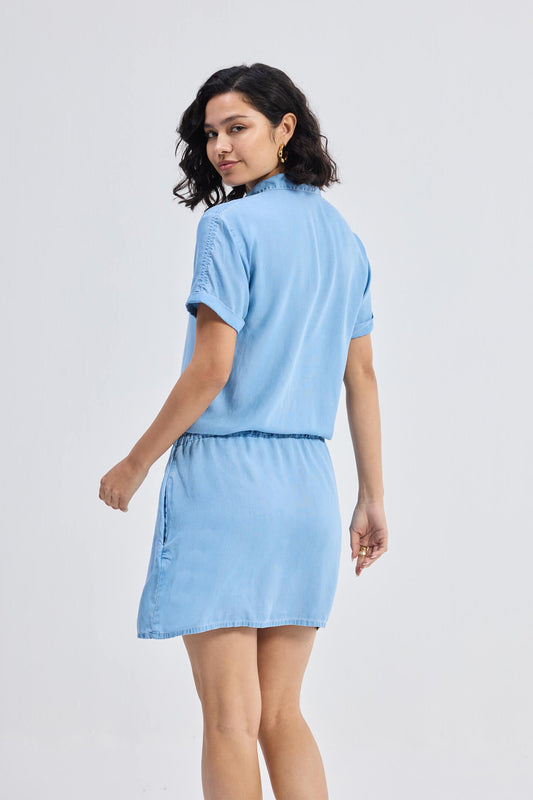
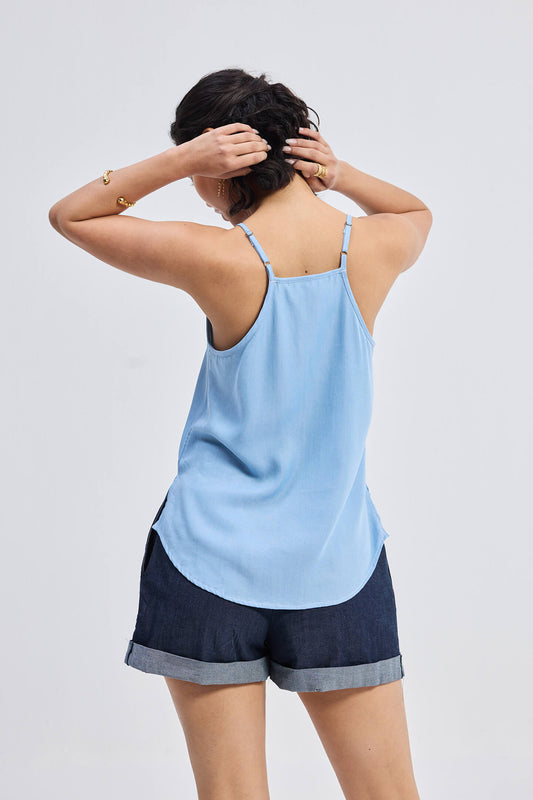
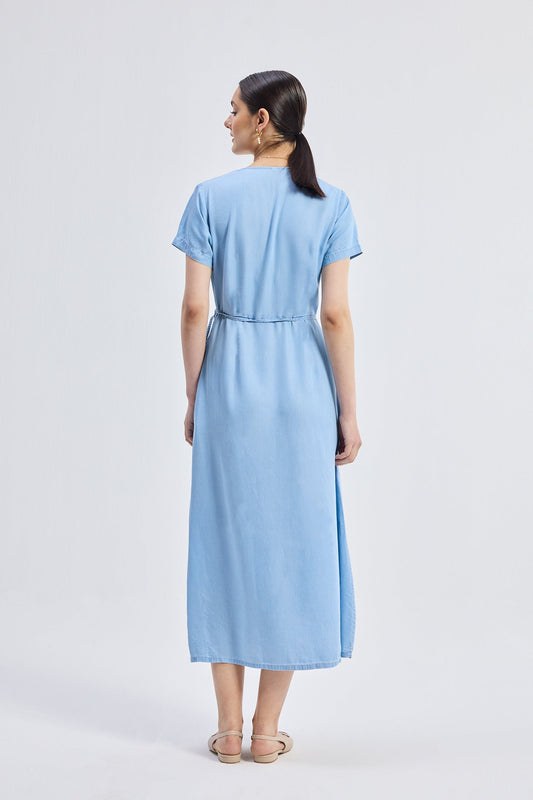
Viscose has always lived a double life. Marketed for decades as “artificial silk,” it was soft, elegant, and affordable. Yet behind the gloss, viscose carried a reputation for chemical-heavy processes, forest destruction, and greenwashing. In 2025, that reputation is being rewritten. Through innovation, certifications, and consumer demand for transparency, viscose is reemerging not as a problem—but as a solution.
“Viscose is the comeback story of sustainable fashion. It’s proof that reinvention is possible.”
From silk substitute to scandal
The viscose journey began in the 19th century. Developed as a cheaper alternative to silk, it quickly became popular for its softness and drape. By the mid-20th century, viscose was everywhere—from linings and dresses to household textiles. But as the fashion industry grew, so did the problems: deforestation, toxic chemical discharge, and unsafe factory conditions. NGOs labeled viscose a “dirty fiber,” pushing consumers and brands to reconsider.
By the 2010s, the narrative had shifted. While organic cotton and recycled polyester grabbed headlines, viscose was the underdog—a fabric everyone wore but few trusted. That’s exactly why its reinvention today feels so dramatic. In 2025, viscose is no longer hidden. It’s leading.
The technology turning viscose green
What makes viscose sustainable now? The answer lies in innovation. Companies have invested in closed-loop systems that capture and reuse the solvents needed to turn wood pulp into fiber. These processes slash pollution, protect workers, and dramatically reduce water contamination.
One of the most recognized innovations is lyocell—a type of regenerated cellulose fiber made in a closed-loop system, often branded as TENCEL™. While technically different from traditional viscose, lyocell showed the industry that cleaner versions of this fiber were possible. Today, many viscose producers are applying similar principles to their own manufacturing, making it safer and more transparent.
Certified forests, certified fabrics
Another turning point has been raw material sourcing. Viscose starts with trees, and in the past, this led to deforestation in endangered forests. Now, leading producers have shifted toward FSC® (Forest Stewardship Council) certified wood, ensuring the pulp comes from responsibly managed forests. Combined with initiatives like CanopyStyle, brands can guarantee that viscose is not driving deforestation but instead supporting better forest management.
Brands betting on viscose
In 2025, some of the most forward-thinking brands are showcasing viscose as a hero fabric:
- Stella McCartney: integrating certified viscose into ready-to-wear, with full traceability from forest to runway.
- Patagonia: experimenting with viscose blends for lightweight, breathable outdoor gear.
- Paneros Clothing: indie labels showing how small-batch viscose can be handmade, soft, and sustainable.
- WONENA’s curations: bamboo viscose loungewear and dresses, chosen for comfort and lower-impact certifications.
This isn’t viscose as a cheap stand-in for silk. It’s viscose as a deliberate choice—soft, fluid, breathable, and designed with ethics in mind.
Consumer shift: softness meets conscience
Why are shoppers embracing viscose now? Because it meets two desires at once: comfort and conscience. Consumers want clothes that feel good to wear—light, breathable, luxurious against the skin—but they also want to trust that the fabrics align with their values. Sustainable viscose checks both boxes, especially when it comes with certifications and transparency.
The bamboo factor
Bamboo viscose deserves its own spotlight. Known for its silky hand-feel and antibacterial properties, bamboo viscose is booming in activewear, loungewear, and underwear. However, not all bamboo is equal. The sustainable version depends on closed-loop processing and certified sourcing. At WONENA, we highlight bamboo viscose only when it meets these standards, ensuring the promise matches reality.
Challenges that remain
Despite the progress, viscose isn’t perfect. Closed-loop systems are not universal, and uncertified production still exists. Some factories continue to discharge pollutants. That’s why traceability matters: consumers need to demand proof, not promises. As with all fibers, sustainability is a moving target—constant vigilance and innovation are required.
The numbers behind the boom
According to Textile Exchange, regenerated fibers like viscose now make up nearly 7% of the global fiber market, and their growth is accelerating. Demand for sustainable viscose is expected to rise by 12–15% annually as brands pivot away from virgin polyester and conventional cotton. By 2030, viscose could rival polyester as one of the dominant fibers, but with a cleaner footprint—if reforms continue.
What this means for your wardrobe
For everyday consumers, the sustainable viscose boom means more choice. Dresses, blouses, trousers, even home textiles are increasingly available in viscose blends that carry certification and comfort. Unlike polyester, viscose is breathable and biodegradable, making it a better choice for those seeking both performance and planet-friendly qualities.
FAQs
Is viscose the same as rayon?
Yes. Rayon is the generic name for regenerated cellulose fibers, and viscose is one of its most common forms.
Is viscose biodegradable?
Yes, viscose is made from wood pulp and is biodegradable, but only when processed without harmful finishes or coatings.
How does viscose compare to cotton?
Both are breathable and soft, but viscose can achieve a silkier drape and requires less farmland. However, cotton can be more durable depending on weave.
How can I know if viscose is sustainable?
Look for certifications like FSC®, CanopyStyle, or brands that explicitly mention closed-loop processes and transparent sourcing.
The fabric of reinvention
Viscose has gone from scandal to solution, showing that even the most problematic fabrics can reinvent themselves. As we step into 2025, it’s not just about new fibers—it’s about reimagining the ones we already have. And viscose is leading the way.
Discover WONENA’s sustainable viscose collections—pieces that combine softness, elegance, and responsibility for a wardrobe that feels as good as it looks.